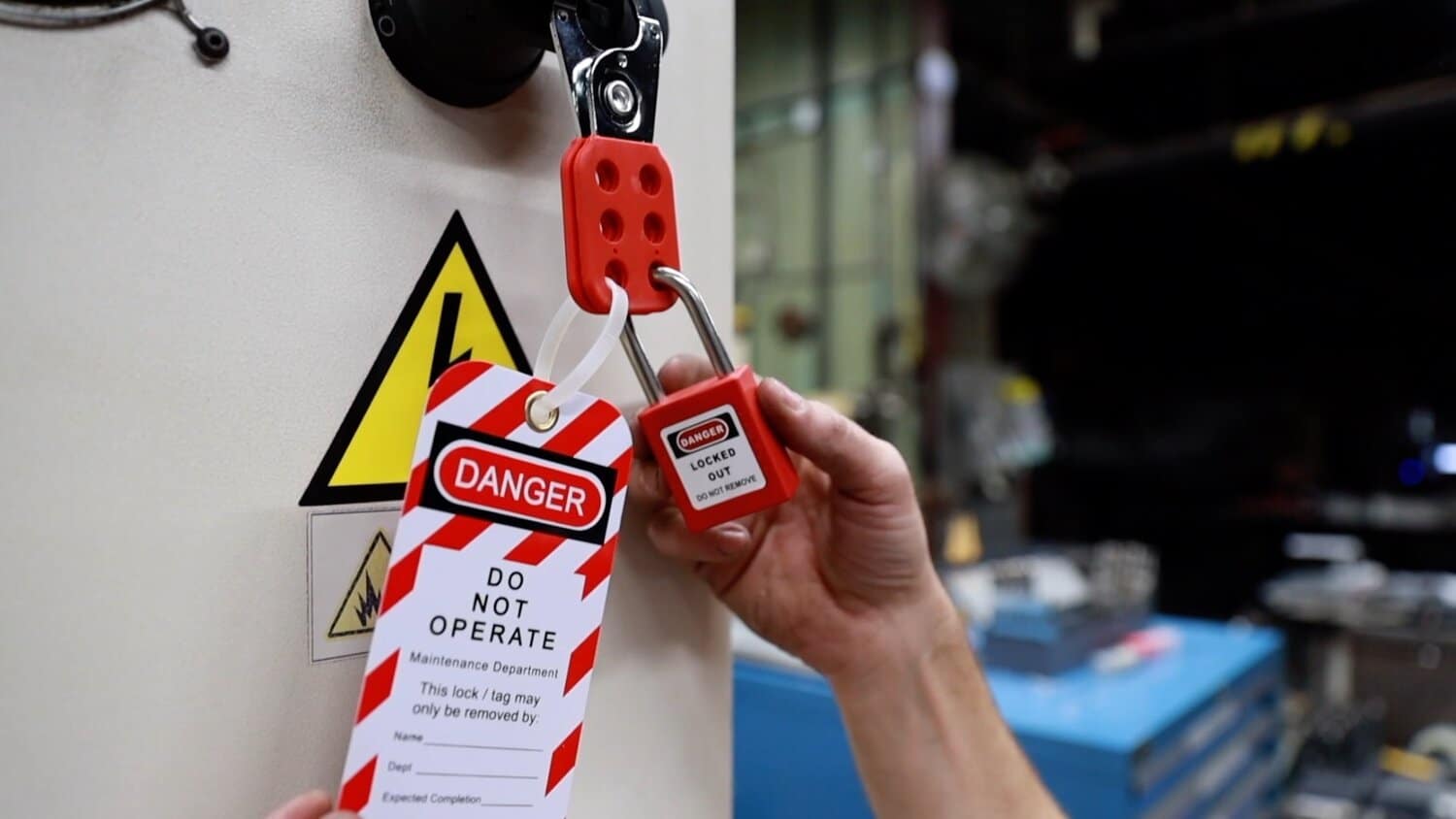
Safety doesn’t start with a policy buried in a manual—it starts with conversation. And on active job sites, the most effective conversations happen in the form of toolbox talks. These short, focused safety meetings keep crews informed, engaged, and aware of daily hazards. But crafting them from scratch every day? That’s time most supervisors don’t have. That’s where free toolbox talk downloads come in—ready-made, practical, and instantly usable safety briefings that save time without sacrificing quality.
The demand for free, high-quality toolbox talk templates has surged across construction, manufacturing, utilities, and industrial services. Teams need reliable content that’s easy to customize, compliant with safety standards, and effective in real-world conditions. Not all downloads are created equal, though. Many are outdated, too generic, or poorly structured. The best ones balance clarity, compliance, and real-world relevance.
This guide cuts through the noise. You’ll discover where to find trustworthy free toolbox talk downloads, how to use them effectively, and which resources deliver actual value—without hidden costs or fluff.
Why Free Toolbox Talks Matter More Than You Think
Toolbox talks are more than routine check-ins—they’re risk mitigation in action. A 5- to 10-minute safety huddle can prevent an accident, correct a dangerous shortcut, or reinforce PPE use before a high-risk task. According to OSHA, proper safety training and communication reduce injury rates by up to 60%. Yet many teams skip or rush these talks due to time pressure or lack of prepared materials.
Free downloads solve that bottleneck. Instead of building a talk from scratch, supervisors pull a ready-to-use template, tweak it for the day’s work, and deliver a structured briefing. The result? Consistent messaging, stronger compliance, and a culture where safety isn’t an afterthought.
But here’s the catch: generic templates often miss the mark. A one-size-fits-all fall protection talk might not address the specific scaffolding setup your crew is using today. That’s why the best free downloads are detailed, scenario-specific, and easy to adapt.
What to Look for in a Quality Toolbox Talk Template
Not all free downloads are worth your time. Many are simple bullet lists or vague reminders—“Wear your hard hat”—without actionable guidance. The best ones share these traits:
- Clear structure: Introduction, hazard breakdown, prevention steps, and discussion prompts
- Real-world relevance: Examples tied to common job tasks (e.g., working near forklifts, trenching, electrical panels)
- Customization space: Fields for site-specific notes, weather conditions, or equipment in use
- Compliance alignment: References to OSHA, ANSI, or other applicable standards
- Printable and mobile-friendly formats: PDF or Word formats that work in the field
A strong template doesn’t just inform—it prompts conversation. Look for ones that include questions like, “What near-misses have we seen this week?” or “How would you respond if a coworker wasn’t wearing fall protection?”
Top 7 Sources for Reliable Free Toolbox Talk Downloads

The internet is flooded with safety resources, but few deliver consistently useful content. These seven sources stand out for quality, accessibility, and practicality—all offering genuinely free toolbox talk downloads without paywalls or aggressive email traps.
| Source | Format | Strengths | Limitations |
|---|---|---|---|
| OSHA.gov | PDF, plain text | Government-backed, fully compliant, highly credible | Less engaging design, minimal customization |
| SafetyInfo.com | PDF, Word | Large library (150+ topics), well-organized | Some older content, limited visuals |
| Creative Safety Supply | PDF, editable PPT | Clean design, includes safety signs and diagrams | Requires email sign-up for full access |
| HSE.gov.uk (UK) | PDF, HTML | Practical, scenario-based, strong focus on risk assessment | Geared toward UK regulations (adaptation needed for US) |
| SafeSite Facility | PDF, Word | Modern templates, includes sign-in sheets | Smaller topic range (~50 talks) |
| SafetyOne Tools | Concise, field-tested, written by safety pros | No editable formats available | |
| Construction Safety Council (IL) | Industry-specific, real construction focus | Regionally focused, but broadly applicable |
Pro Tip: Use OSHA and HSE templates for core compliance topics (fall protection, lockout/tagout), then supplement with industry-specific ones from SafetyInfo or SafeSite for day-to-day adaptability.
How to Customize Free Templates for Maximum Impact
Downloading a template is just step one. To make it stick, you need to localize it.
Example: You pull a free “Electrical Safety” toolbox talk from SafetyInfo. It covers basic PPE and de-energizing circuits. But your crew is working on a live panel upgrade today. Here’s how to customize:
- Add site specifics: Insert the panel ID, voltage level, and permit number
- Update PPE requirements: Note if arc-flash suits are required, not just gloves and goggles
- Include real near-misses: Reference last month’s voltage spike incident
- Adjust discussion questions: “What steps will we take before opening this specific panel?”
- Attach a photo: Print or show a labeled image of the actual equipment
This turns a generic handout into a relevant, actionable briefing. Teams respond better when they see their actual worksite reflected in the talk.
Warning: Don’t over-customize to the point of confusion. Keep the structure clean. Use bold headers, bullet points, and white space. Avoid dense paragraphs.
Common Mistakes When
Using Free Toolbox Talk Downloads
Even experienced supervisors fall into these traps:
- Reading verbatim: Delivering the talk like a script kills engagement. Use it as a guide, not a transcript.
- Skipping the discussion: The “talk” part is the most important. If no one speaks, it’s not a toolbox talk.
- Using outdated content: A 2015 fall protection talk may not reflect updated ANSI standards or new equipment.
- One-and-done: Repeating the same “Ladder Safety” talk every quarter without variation breeds complacency.
- No documentation: Failing to sign and file the talk leaves you exposed during audits.
Workflow Fix: Assign a rotating team member to lead the talk each week. It builds ownership and keeps delivery fresh. Pair each session with a sign-in sheet and store completed talks in a labeled binder or cloud folder.
Beyond the Download: Making Safety Stick
A toolbox talk isn’t complete when the meeting ends. Follow-up turns awareness into action.

After a talk on “Hazard Reporting,” for example, check in after two days: - Did anyone submit a near-miss report? - Was a new hazard tagged and addressed? - Are employees more likely to speak up?
This closes the loop. It shows the team their input matters—and that safety isn’t just a checkbox.
Pair talks with visual reminders: post a relevant safety poster near break areas, or send a follow-up text with a key takeaway. Reinforcement works best in layers.
Where Free Meets Quality: Real-World Templates That Work
Need immediate access? Here are five specific, high-impact toolbox talk topics with reliable free sources:
- Working at Heights – Ladder Safety
- Source: OSHA.gov Covers 3-point contact, ladder angle, and inspection steps. Use before any roof access work.
- Hot Work and Fire Prevention
- Source: SafetyInfo.com Includes fire watch requirements and permit verification. Essential for welding crews.
- Slips, Trips, and Falls (General Site)
- Source: Creative Safety Supply Focuses on housekeeping and clutter control. Ideal for daily morning briefings.
- Excavation and Trenching
- Source: Construction Safety Council Addresses shoring, spoil pile distance, and emergency rescue. Critical for utility work.
- PPE Audit and Accountability
- Source: SafeSite Facility Encourages peer checks and proper gear maintenance. Use weekly to reinforce standards.
Each of these is downloadable today, requires no payment, and can be tailored in under 10 minutes.
Final Step: Build Your Own Safety Library
Don’t rely on searching for downloads when you’re already on site. Build a permanent, organized library of free toolbox talk downloads.
How to start: - Create a shared folder (Google Drive, SharePoint, or Dropbox)
- Add a master index with topic, source, and last update date
- Schedule a monthly review to replace outdated talks
This turns reactive safety into proactive planning. You’ll always have the right talk ready—no last-minute scrambling.
Free toolbox talk downloads aren’t just time-savers. When used wisely, they’re force multipliers for safety culture. The best ones don’t replace judgment—they support it. Use them as a foundation, not a crutch, and your team will stay informed, alert, and protected—one conversation at a time.
Free Toolbox Talk Downloads: FAQ
Where can I get free toolbox talk templates without signing up? OSHA.gov and SafetyOne Tools offer direct downloads without email requirements.
Are free toolbox talks OSHA-compliant? Many are, especially those from OSHA or HSE sources. Always review for alignment with current standards.
Can I edit free toolbox talk PDFs? Most PDFs aren’t editable. Look for Word (.docx) versions from sites like SafetyInfo or SafeSite Facility.
How often should toolbox talks be held? At minimum, weekly. High-risk sites benefit from daily talks, especially after incidents or new hazards.
Should toolbox talks be signed? Yes. A signed attendance sheet proves training occurred and supports compliance during audits.
Can I use UK-based templates in the US? Yes, but verify regulations. HSE talks are well-structured but may reference BS standards instead of OSHA.
What’s the best format for field use? Printable one-page PDFs or laminated cards. Avoid long documents—keep it scannable and focused.
FAQ
What should you look for in Free Toolbox Talk Downloads for Safer Work Sites? Focus on relevance, practical value, and how well the solution matches real user intent.
Is Free Toolbox Talk Downloads for Safer Work Sites suitable for beginners? That depends on the workflow, but a clear step-by-step approach usually makes it easier to start.
How do you compare options around Free Toolbox Talk Downloads for Safer Work Sites? Compare features, trust signals, limitations, pricing, and ease of implementation.
What mistakes should you avoid? Avoid generic choices, weak validation, and decisions based only on marketing claims.
What is the next best step? Shortlist the most relevant options, validate them quickly, and refine from real-world results.